For decades, earning a university degree has been viewed as a primary gateway to financial stability, social mobility, and intellectual growth. Yet, the landscape of higher education can often feel overwhelming to outsiders. With an array of terms like “undergraduate,” “postgraduate,” “associate,” and “doctorate” floating around, it is easy to get lost in the academic jargon.

Choosing to pursue a higher education degree is one of the most significant investments of time. And money an individual will ever make. To make an informed decision, one must understand the distinct tiers of the degree hierarchy, how they differ in scope. And how to choose the right path for your specific career aspirations.
The Academic Ladder: Breaking Down the Four Main Tiers
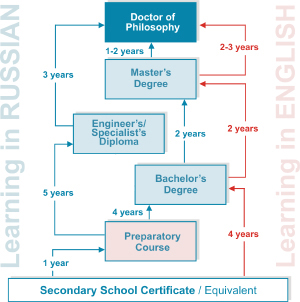
The higher education system is structured like a ladder, with each step building upon the knowledge and analytical skills acquired in the previous tier.

 On a cold winter morning in a tiny pocket of Silicon Valley known as North Fair Oaks, Everest Public High School is buzzing with vitality. Out front, a tall, skinny teen jumps out of a black Porsche SUV; moments later, three young girls in matching black hoodies stream out of the front seat of a Toyota pickup that is filled with trowels, buckets, and a ladder.
 The Department of Education (DepEd) and the Philippine Business for Education (PBEd) just lately signed a memorandum of agreement to prioritize graduates of an Australian government-funded scholarship program in hiring public school teachers.
 Picture your self on the center of an elementary faculty blacktop. Orbiting you might be dozens of kids, each of them running previous like tiny, glowing suns.